
Reporter : Maitsaa Aaliya Sabrina (Meteorology, 2024)
Editor : Daffa Tsabat (Meteorology, 2023)
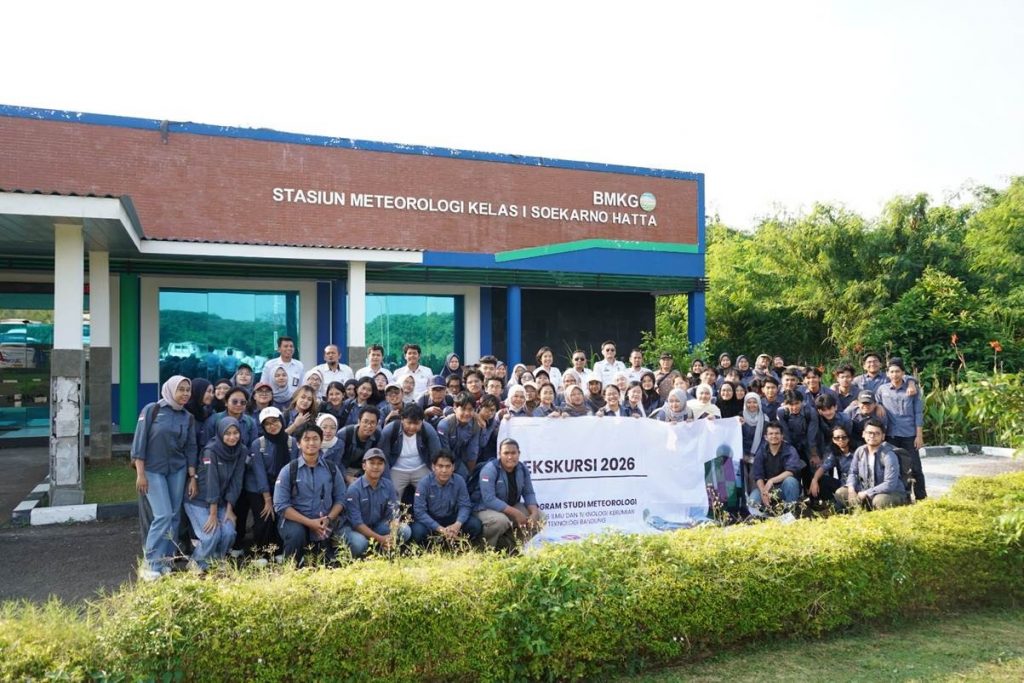
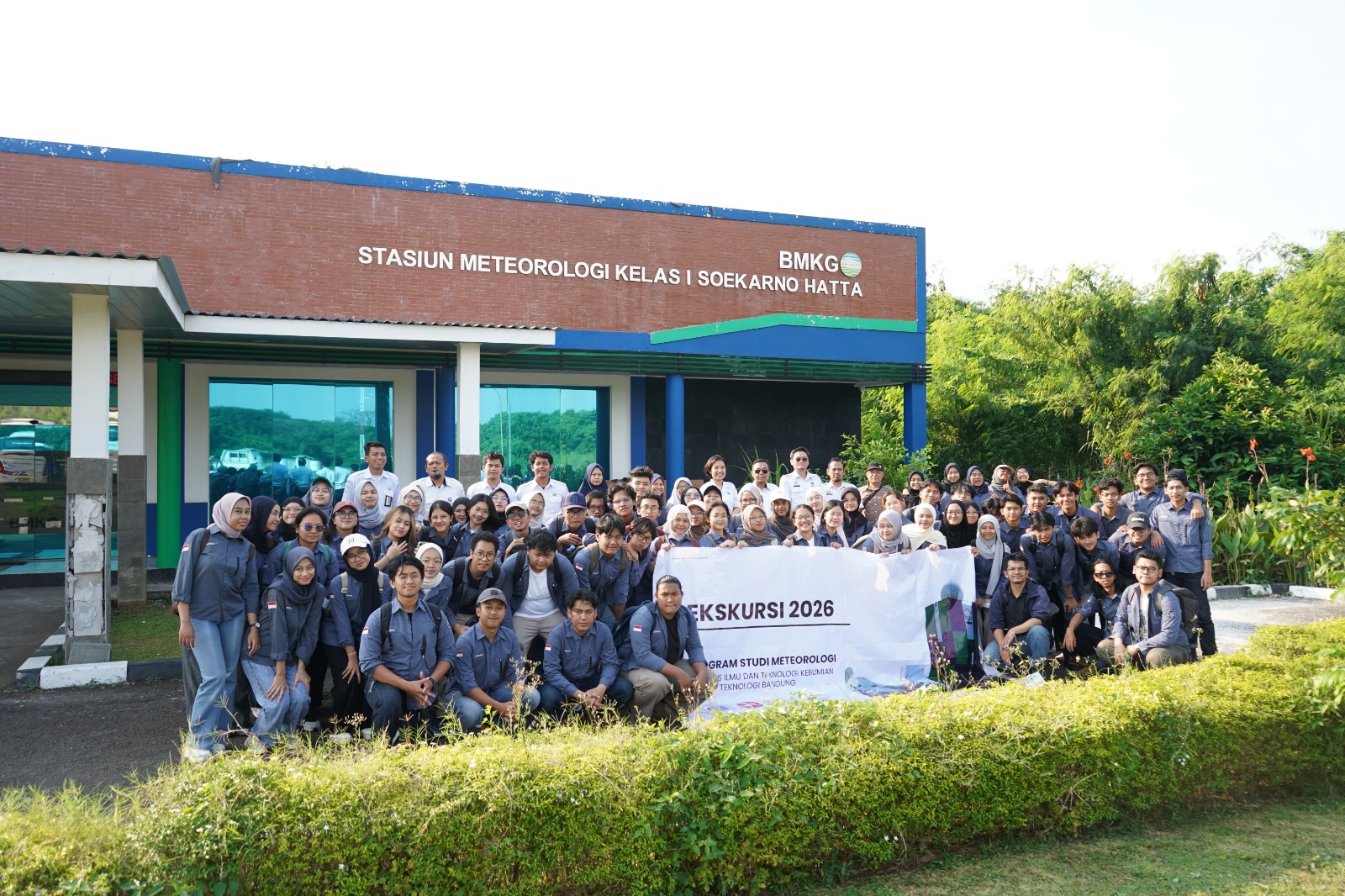
BANDUNG, meteo.itb.ac.id – ITB Meteorology students participated in a field trip to the B.J. Habibie Science and Technology Park (KST) in BRIN Serpong and the Class I Soekarno-Hatta Meteorological Station of BMKG on Tuesday, May 12, 2026. The activity aimed to provide students with firsthand experience of how theories learned in the classroom are applied in observational practices, while introducing them to various instruments related to the Atmospheric Remote Sensing and Introduction to Atmospheric Waves courses.
Visit to BRIN Serpong
The students arrived at the B.J. Habibie Science and Technology Park (KST) in BRIN Serpong at around 11:00 a.m. local time. Upon arrival, they were welcomed and introduced to the survey laboratories managed by the Directorate of Laboratory Management, Research Facilities, and Innovation.
The session began with an introduction to Met-Ocean, an interdisciplinary field that combines meteorology and oceanography to study interactions between the atmosphere and the ocean. The presentation covered the integrated ocean observation system, which includes mooring observation, remote sensing, and moving observation to obtain accurate spatial and temporal data. Students were also introduced to technologies such as buoys, satellite altimetry, and Argo floats. In addition, they learned how these instruments are used to support shipwreck detection in the Sunda Strait.
The presentation continued with an overview of atmospheric observation instruments, including X-band radar, micro rain radar, microwave radiometer, disdrometer, and SODAR, each of which plays a different role in monitoring atmospheric conditions. Dual-polarization X-band radar, for example, is used to visualize cloud structures in three dimensions and distinguish different types of objects, such as liquid water, ice, and biological targets, based on their radar signal responses.
Besides learning about observational activities, the students were also introduced to various research programs conducted at BRIN, including cloud physics and weather modification research. These studies utilize seeding agents such as sodium chloride (NaCl) particles measuring 2 to 5 microns and silver iodide, which are dispersed using various delivery methods, ranging from manned aircraft and drones to other research platforms.
The students showed great enthusiasm throughout the visit by actively asking questions, allowing many of their uncertainties to be clarified during the session. They were then guided on a tour of several research instruments, including a LiDAR drone for three-dimensional mapping, a USBL system for underwater positioning, a thermal drone for automated inspections, and an autonomous surface vehicle (ASV) used for hydrographic surveys.
Visit to the Soekarno Hatta Class I BMKG
The field trip continued with a visit to the Class I Soekarno-Hatta BMKG Station. The students arrived at approximately 1:00 p.m. local time and were warmly welcomed by BMKG staff. Following the welcoming remarks, participants received an overview of the activities planned for the visit. They were then divided into three groups, each following the same rotation of learning sessions.
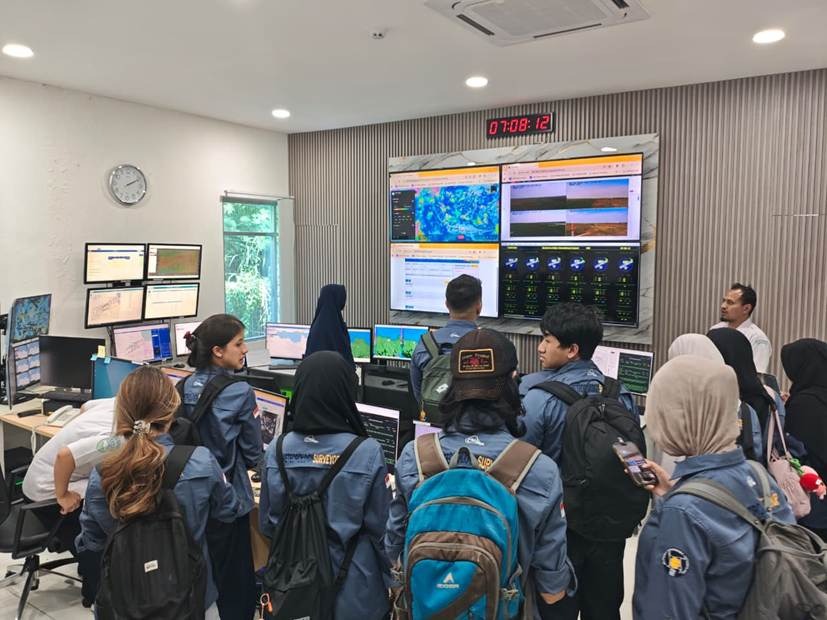
The first session took place in the observation room, which focuses on remote sensing and data automation. Participants learned how X-band radar products are monitored through scans conducted at successive elevation angles. They were also introduced to aviation weather reports such as METAR and SPECI. Observers play an important role in verifying actual weather conditions. For example, if radar indicates rainfall but field observations confirm that no rain is occurring, the rainfall information will not be issued.
The second session took place in the forecasters’ operations room, where participants learned about the process of producing aviation weather forecasts. Weather monitoring is conducted based on the Flight Information Region (FIR), which consists of the Western FIR, covering Sumatra, Java, and parts of Kalimantan, and the Eastern FIR, under the authority of the Meteorological Watch Office (MWO). Terminal Aerodrome Forecasts (TAFs) are valid for up to 30 hours and are updated every six hours. BMKG currently uses nine reference weather models to support its forecasting activities. Participants also learned that three out of every four BMKG stations are integrated within the operational network, enabling them to independently issue their own forecast products.
.
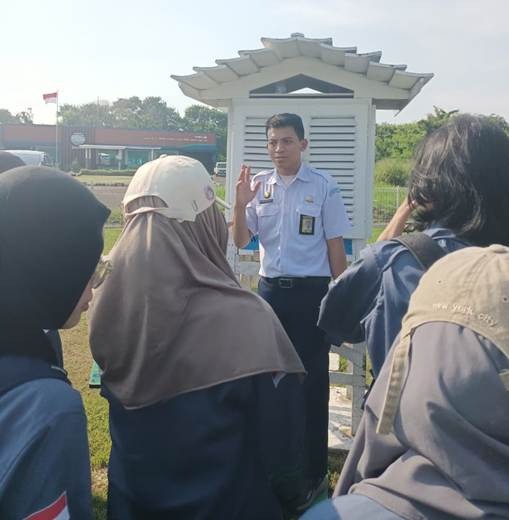
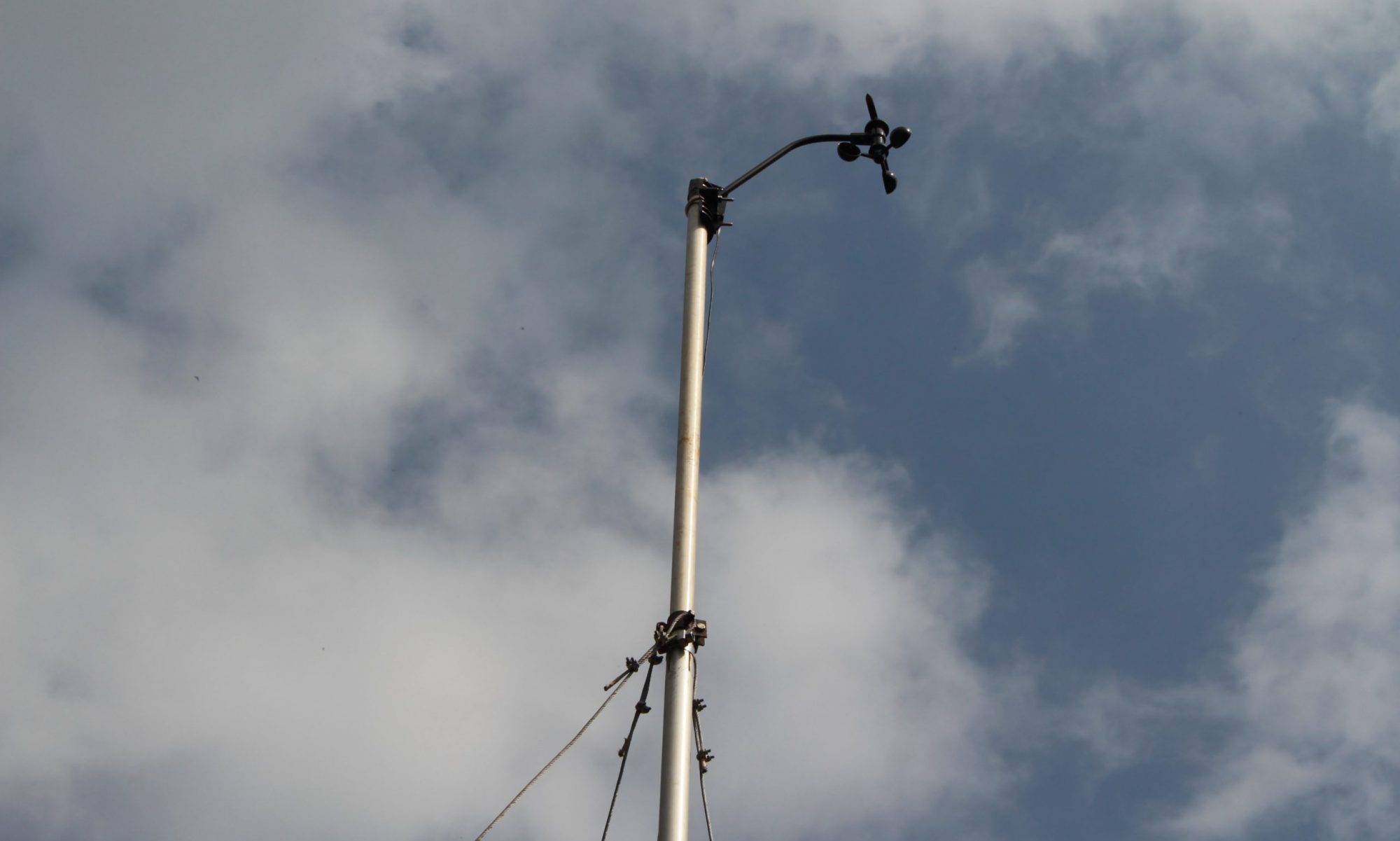
In the third session, participants toured the instrument garden. The instrument garden at the Soekarno-Hatta BMKG Station is classified as a Class I facility. Staff explained the functions and operating principles of both conventional and automated instruments. At the end of the session, they emphasized that every instrument is routinely calibrated to ensure the accuracy of measurement results.
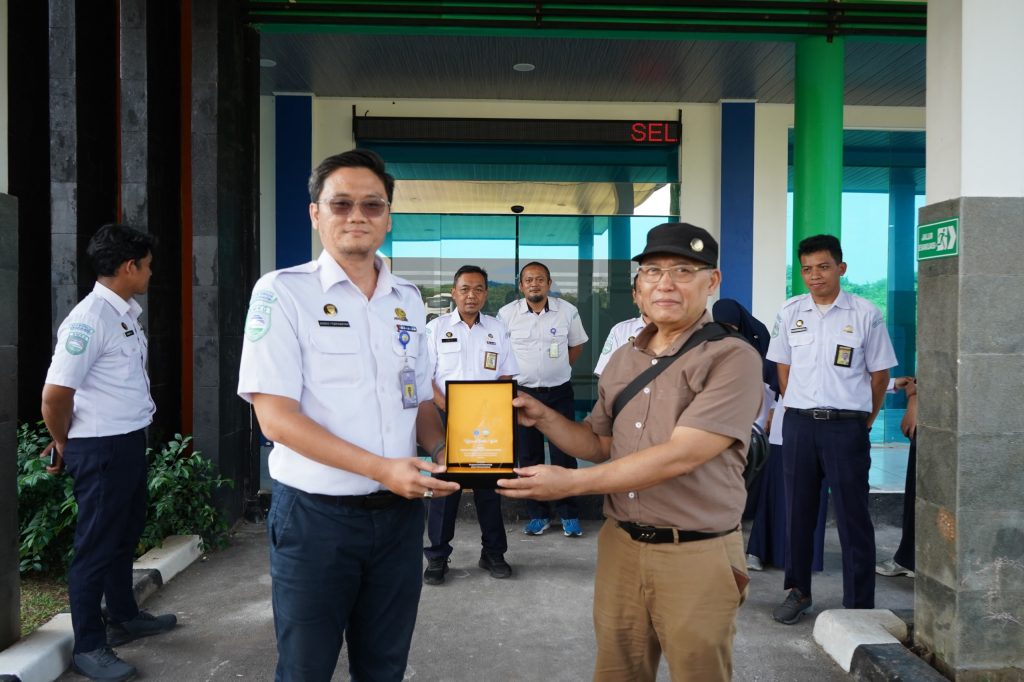
The field trip concluded with closing remarks from BMKG representatives and the presentation of a commemorative plaque on behalf of the ITB Meteorology Study Program. Through this field trip, students gained valuable insights into the real-world application of the Atmospheric Remote Sensing and Introduction to Atmospheric Waves courses. This hands-on learning experience not only strengthened their theoretical understanding but also provided a deeper appreciation of operational meteorology and atmospheric research, encouraging them to continue developing their knowledge and pursuing innovation.