
By: Daffa Tsabat (Meteorology, 2023)
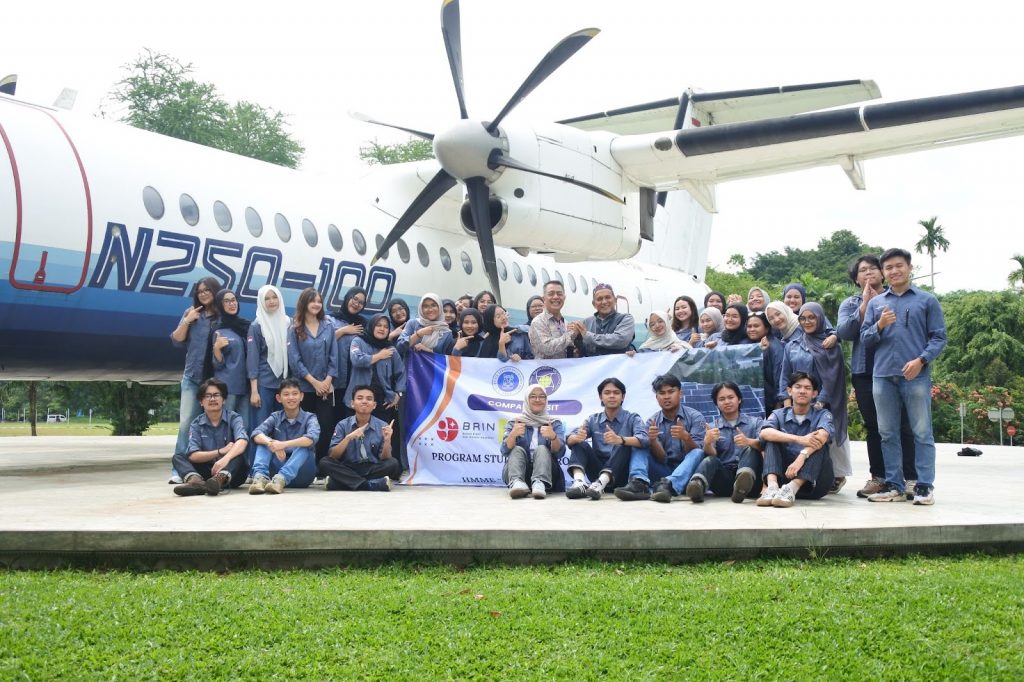
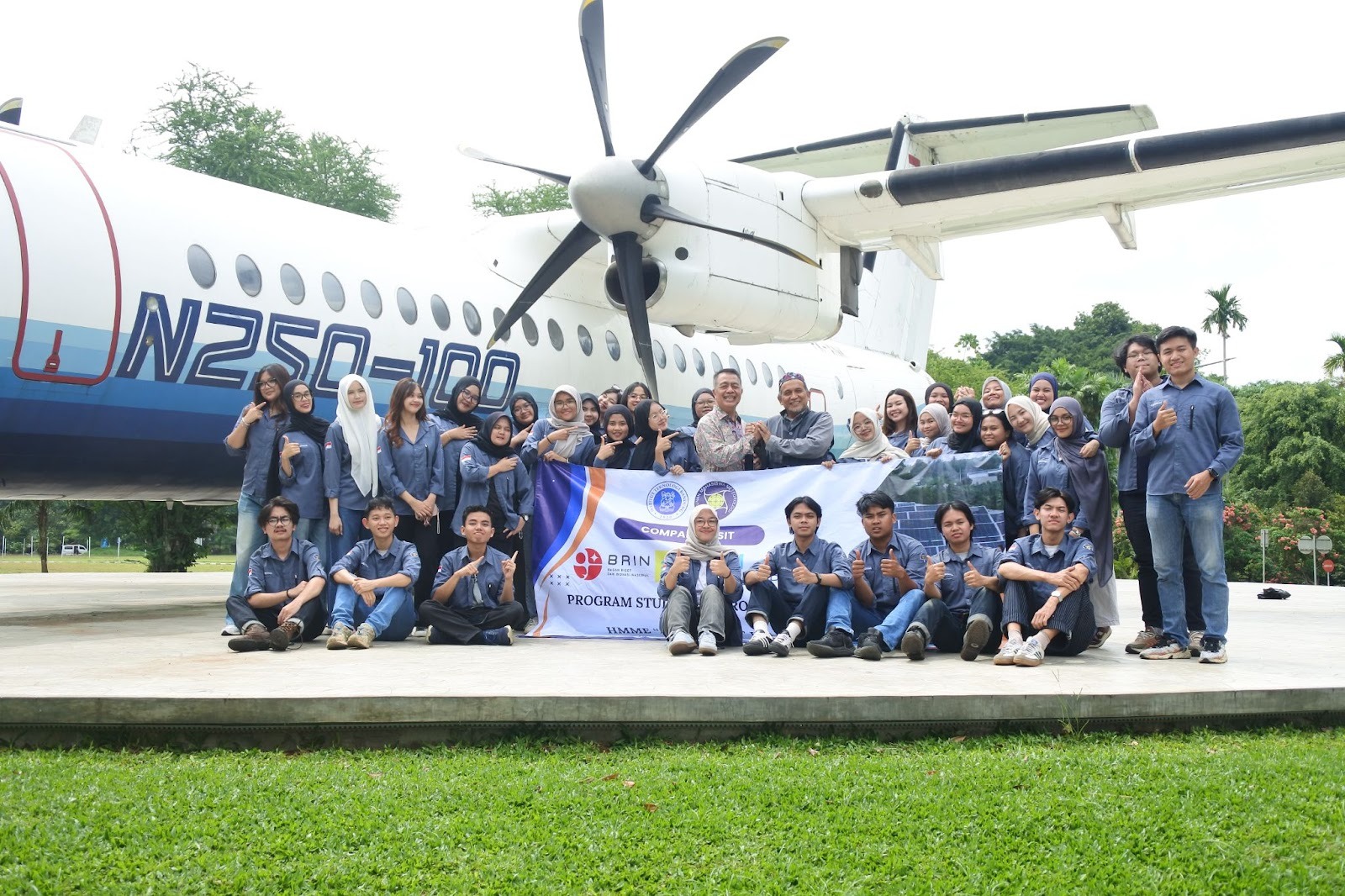
BANDUNG, meteo.itb.ac.id – The Meteorology Study Program of Institut Teknologi Bandung (ITB), in collaboration with the ITB Meteorology Student Association “Atmosphaira”, organized a field visit on Tuesday (December 9, 2025). The activity aimed to provide students with an overview of the application of meteorological science in the field of research and its implementation in the renewable energy sector.
The activity was conducted at two locations: BRIN Serpong, South Tangerang, Banten, and the Cirata Hydroelectric Power Plant (PLTA) area in Karawang Regency, West Java.
Visit to BRIN Serpong
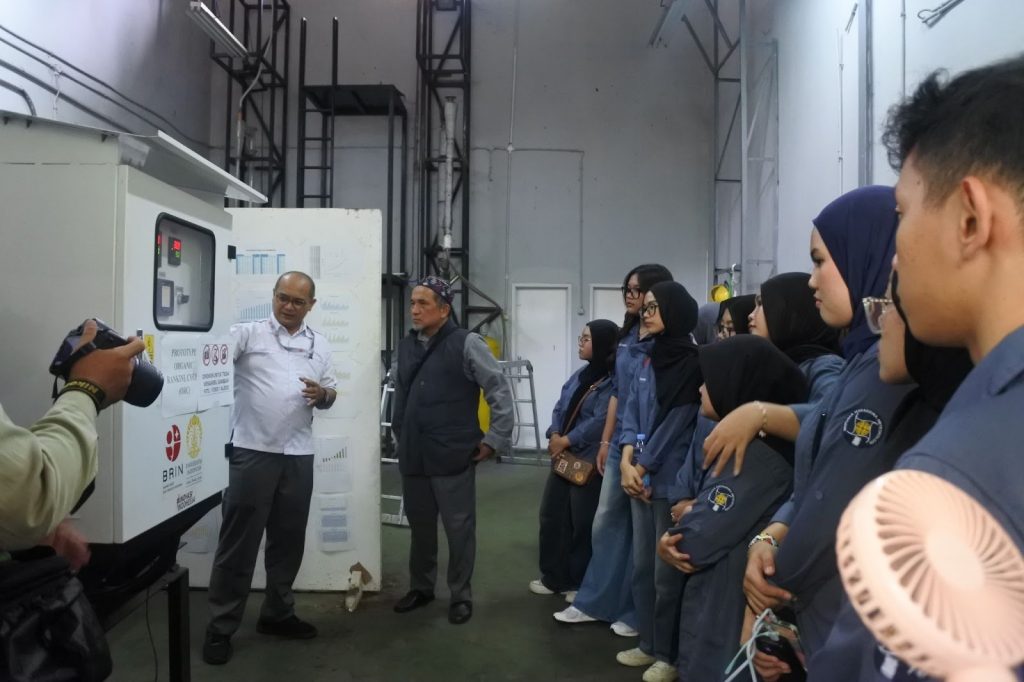
The visit to BRIN Serpong was held at the B.J. Habibie Science and Technology Area (KST). During the activity, students received presentations on the development of meteorological and renewable energy research conducted by BRIN researchers. The material covered the utilization of atmospheric observation technology as well as the development of energy systems based on Indonesia’s natural resources.
Students received explanations regarding the use of weather radar technology in observing atmospheric dynamics, including the application of X-Band Radar to monitor local-scale weather systems. In addition, the use of PM2.5 air quality sensors in supporting environmental monitoring was also presented, particularly in areas vulnerable to forest and land fires. These research initiatives were developed through collaboration between BRIN and various national and international institutions.
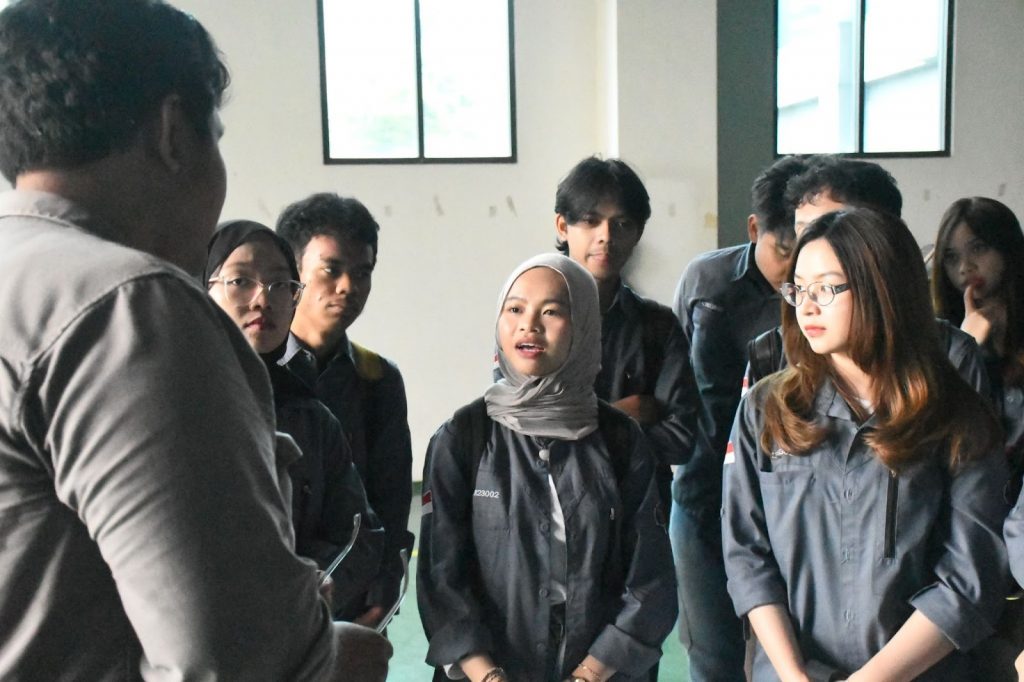
Beyond the field of meteorology, students also gained insight into the development of geothermal energy as one of Indonesia’s leading renewable energy sources. This session explained the country’s vast geothermal potential and the development of Organic Rankine Cycle (ORC) technology, which enables the conversion of relatively low-temperature heat into electrical energy efficiently.
Student enthusiasm was evident throughout the activity, particularly during the discussion and question-and-answer sessions with the researchers. Students also had the opportunity to visit several laboratory facilities within the research complex, including laboratories supporting atmospheric research and energy conversion. This visit served as a direct learning experience while also strengthening the connection between the academic world and research institutions in the advancement of knowledge, particularly in the fields of meteorology and renewable energy.
Visit to the Cirata Hydroelectric and Solar Power Plant
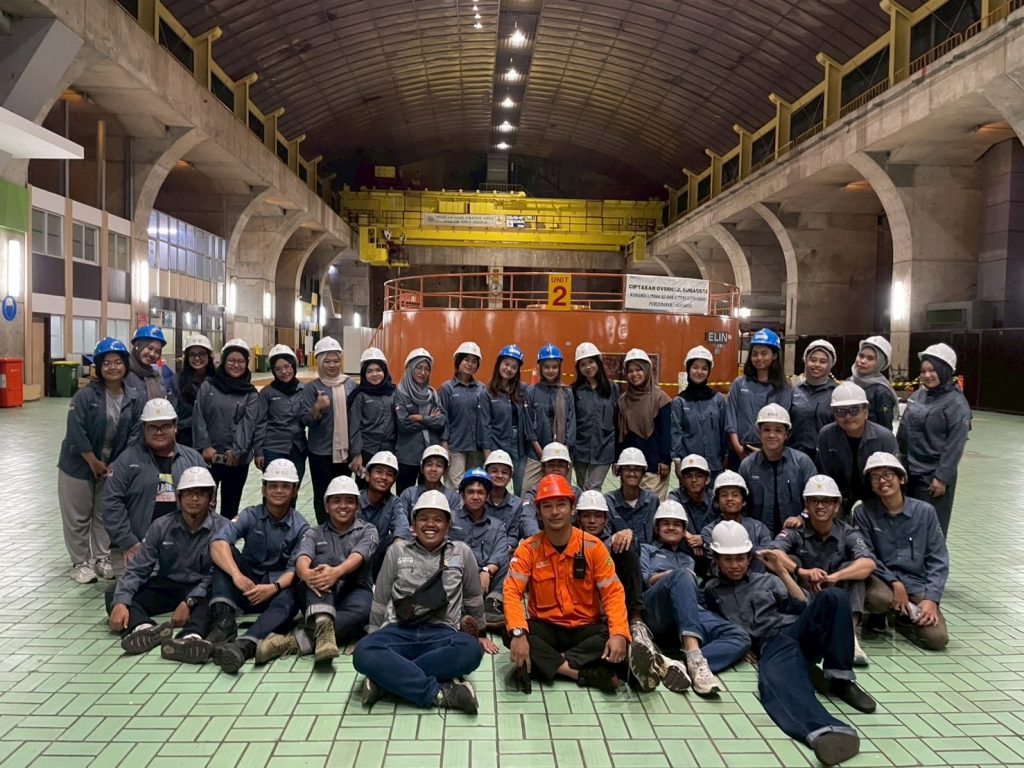
Meanwhile, another group of students conducted a visit to the Cirata PLTA and PLTS (Solar Power Plant) area in Karawang Regency. Upon arrival, the students were welcomed by representatives of PT PLN Nusantara Power, the operator of the power generation facilities in the Cirata area.
In the opening presentation, students received explanations regarding the hydroelectric power generation system (PLTA) and the solar power generation system (PLTS), as well as their relationship with meteorological and hydrological conditions. It was explained that rainfall variability affects reservoir water availability, while solar radiation is the primary factor in solar power production.
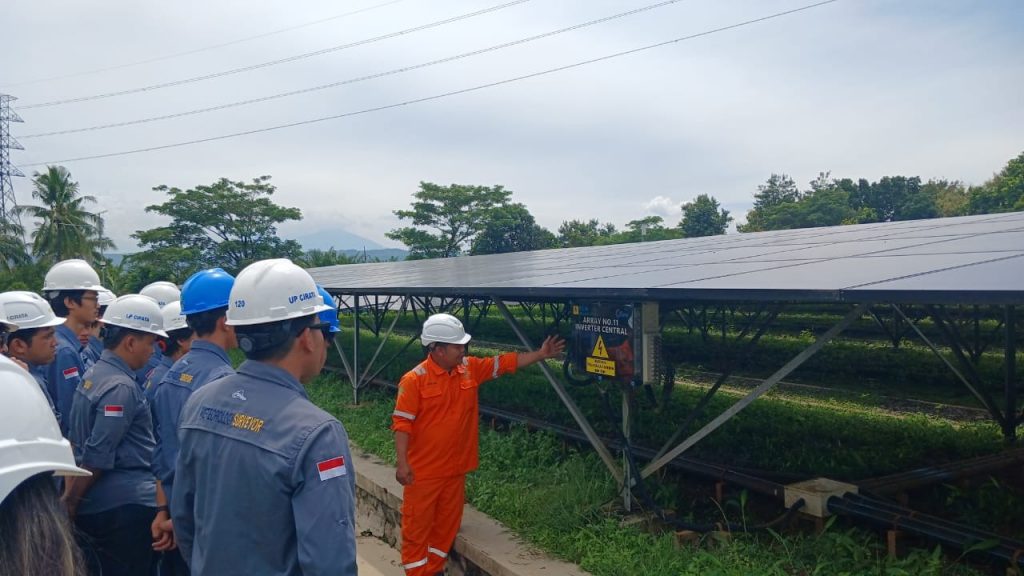
Students were then invited to visit the 1 MW Cirata Solar Power Plant to directly observe the solar panel system and the process of converting solar energy into electrical energy. The activity continued with a visit to the Cirata PLTA power house, where students received explanations on the process of converting the potential energy of water into electrical energy through a turbine and generator system.
Through this visit, students of the ITB Meteorology Study Program gained direct learning experiences that connected meteorological knowledge with research practice and the implementation of renewable energy. This activity is hoped to broaden students’ perspectives and strengthen their understanding of the strategic role of meteorology in supporting energy security and sustainable development