By : Lutfiah Nur Rohmah Salaamah Sunday, August 25 2024
Kegiatan Kuliah Lapangan Mahasiswa Meteorologi ITB di Tanjung Lesung, Banten
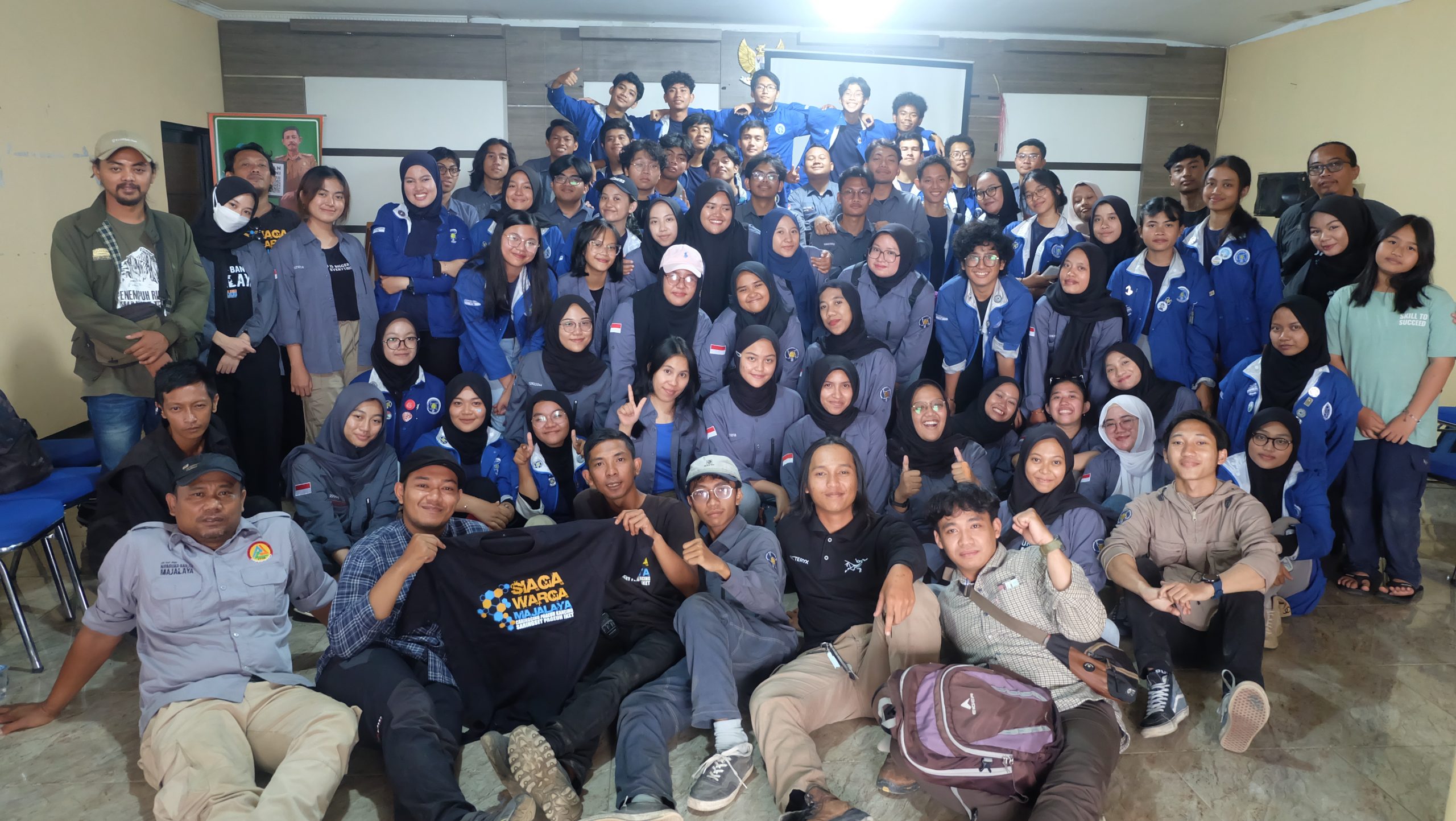
BANDUNG, meteo.itb.ac.id — ITB Meteorology students have just completed an unforgettable experience during the Field Course (ME3098), which took place over one week—from August 3 to 10, 2024—in Tanjung Lesung, Banten. The primary focus of this field course was the installation of Automatic Weather Stations (AWS) and conducting direct weather observations in the field. The activity aimed to identify sea breeze phenomena in the coastal area of Tanjung Lesung.
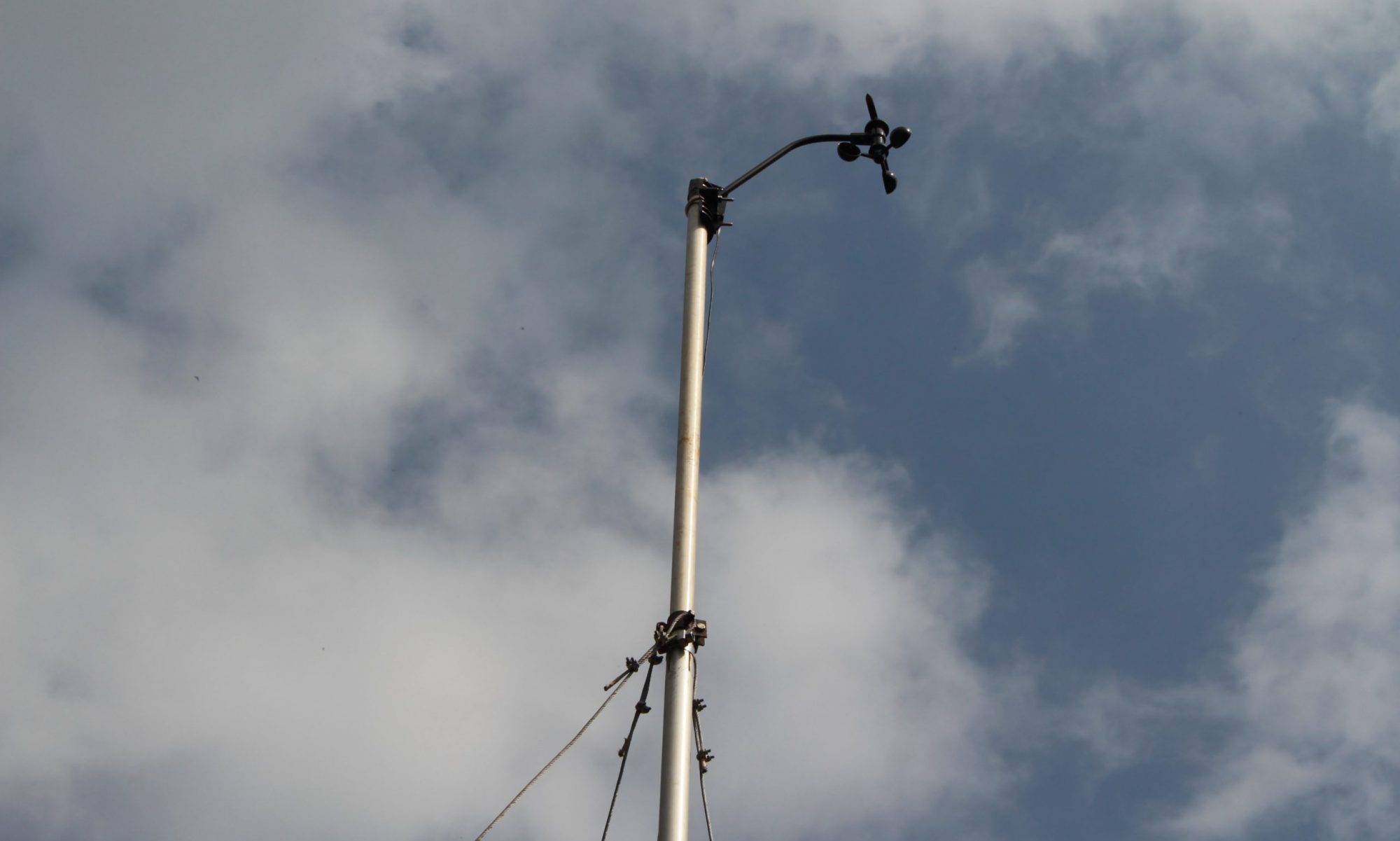
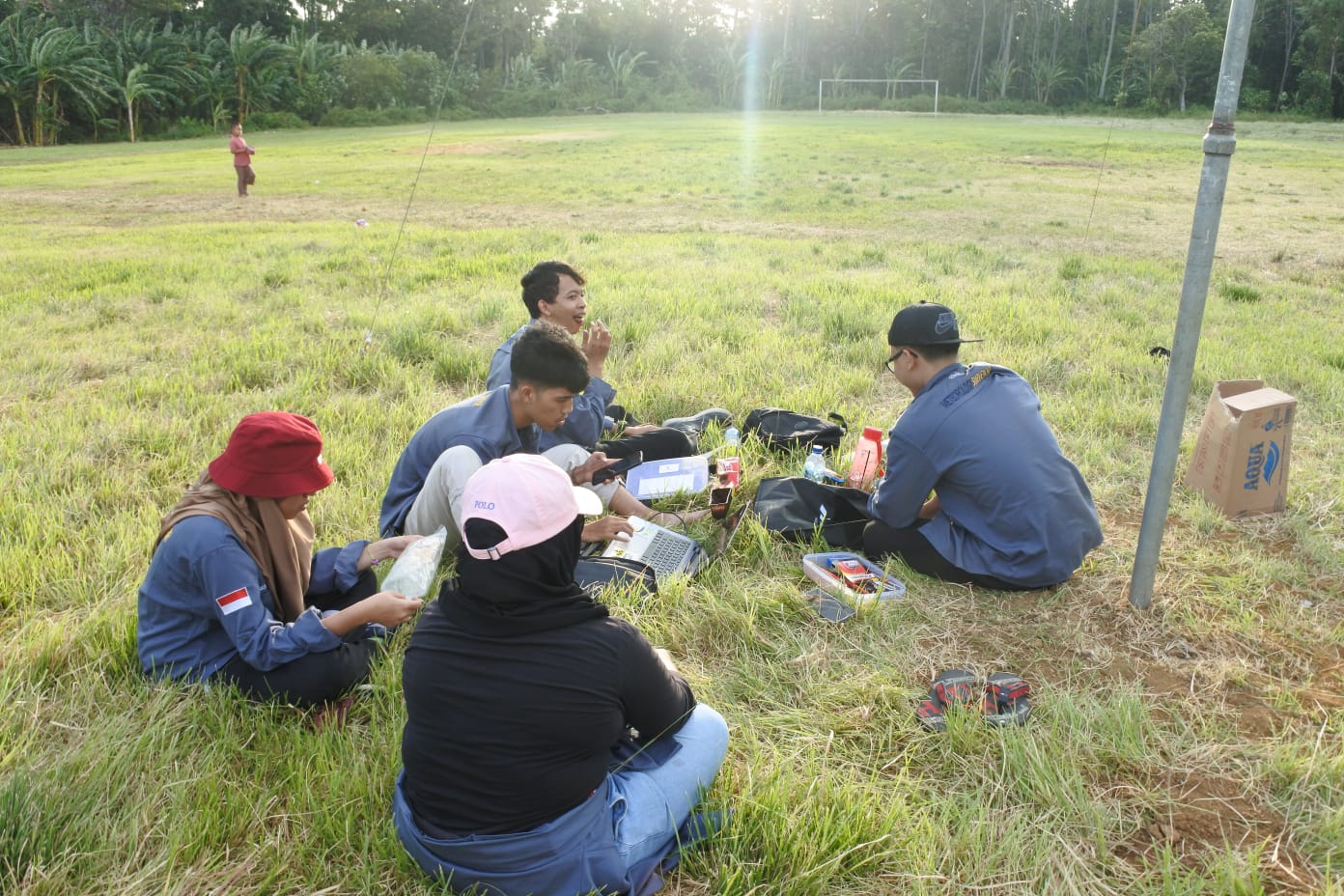
The students were divided into four groups, each responsible for installation and observation at designated locations. Upon arrival in Banten, they immediately began installing AWS units at four sites. Site 1 was located at the Indonesian Navy (TNI AL) observation post near the fish market, where the AWS was mounted on a large existing structure. At Site 2, the AWS was installed on Umang Island following a crossing from the mainland. Meanwhile, Sites 3 and 4 were situated in open fields in Cimanggu and Kertamukti, respectively; at these locations, the AWS units were mounted on 10-meter masts. However, the unit used at Site 4 was a Vantage Vue Pro model.
Days One through Four: Observation Routines and Daily Activities
Each morning, the students began their day with calisthenics in the accommodation courtyard, followed by a breakfast of gorengan (fried snacks) and hot beverages provided by the villa caretaker. Afterward, they commenced field weather observations, which were split into two sessions: a morning session from 08:00 to 11:00 and an afternoon session from 13:00 to 16:00. In the evenings, each group presented their observation results to the lecturers and assistants accompanying the field course.
Antusiasme siswa-siswi SDN 1 Cimanggu pada saat kegiatan pengabdian masyarakat
Days Five and Six: Community Service
On the fifth day, activities expanded to include community service at a local elementary school, where students provided education on meteorology—specifically regarding clouds and the atmosphere—and conducted a quiz competition featuring attractive prizes. The following day, the outreach continued at SMAN 16 Pandeglang, where students shared information about ITB—including details on scholarships and admission pathways—alongside the Head of the Meteorology Study Program, Dr. Muhammad Rais Abdillah, S.Si., M.Sc. Students also had the opportunity to try out meteorological instruments at a dedicated booth, such as cloud scopes and Automatic Weather Stations (AWS).
Salah satu pelajar SMAN 16 Pandeglang mencoba teropong awan
Day Seven: Evaluation and Reflection
On the final day, the program concluded with an evaluation and reflection session. Students shared their experiences and assessed how the week’s activities had unfolded, expressing how exciting the experience had been. Beyond conducting observations and community service, the students enjoyed downtime at the beach and recreational activities—such as charades, Kahoot quizzes, and karaoke—on the last night. “In addition to learning about weather observation, we really enjoyed the camaraderie with our friends, from morning exercises to relaxing on the beach after a full day in the field,” added Serra. She also offered advice to the next cohort of students, noting that field courses are an opportunity to learn while having fun; the key is to remain responsible regarding assignments while savoring every moment.
Dr. Plato Martuani Siregar, S.Si., M.Si., one of the supervising lecturers, emphasized the importance of conducting surveys and evaluations prior to instrument installation in future field courses. “Ensure you conduct thorough surveys and apply your knowledge of meteorological instrumentation before deciding where to place the equipment. Careful placement will yield optimal observation results,” Dr. Plato stated. The lecturers also reminded students to take good care of the equipment, particularly following an incident where a kite became entangled and disrupted the installation of the Automatic Weather Station (AWS).
Meanwhile, observational data regarding the sea breeze phenomenon is still being processed, so no conclusions have been drawn yet. Under the guidance of their lecturers, the students will continue to analyze this data to gain a clearer understanding of sea breeze patterns in Tanjung Lesung, Banten.
As the program drew to a close, the students returned home with new meteorological knowledge and unforgettable memories from a vibrant field experience.
Rubens Phenola Setiawan menjalani kegiatan study exchange di National University of Singapore
BANDUNG, meteo.itb.ac.id – 2021 ITB Meteorology Study Program student, Rubens Phenola Setiawan, underwent study exchange activities at the National University of Singapore (NUS), Singapore. Rubens got this opportunity through the Discover NUS 2024 scholarship program, which is a direct program from the National University of Singapore to study for one semester and then have the opportunity to undergo the ASEAN Master Scholarship as a continuation program from the university.
Rubens underwent lecture activities at NUS in the Department of Geography, Faculty of Arts and Social Sciences, from January to May 2024. He admitted that this exchange activity was very enjoyable for him.
Rubens melakukan pengukuran slope untuk menghasilkan model lereng pada Tugas Besar yang ia jalani
Regarding his geomorphology course, Rubens recounted participating in three field practicums. He conducted these sessions alongside a professor who took him around the campus to map slope conditions and stability. Additionally, there was an individual survey requiring Rubens to locate four to five slopes across Singapore, measure them, and identify their specific characteristics. He documented his observations in an analysis report, noting relatively consistent climate data alongside varying porosity and parent rock types.
Rubens also explained that whenever he encountered difficulties with the course material, the professor was always available via email and would answer his questions promptly. “There was a time when he was attending a conference in Austria; I wasn’t aware of it and sent an email anyway because I was studying for an exam. Yet, he still replied. He is truly dedicated to the course he teaches,” Rubens said.
Furthermore, Rubens noted that his enjoyable academic experience at NUS was due to the comprehensive course materials and easy access to a vast array of books and journals. “The library is pleasant and cool, and there are rooms open 24 hours a day, so it doesn’t matter what time you go there,” Rubens added.
He advised peers and juniors interested in study exchange programs to maintain good grades and improve their foreign language skills. The ability to study and comprehend their respective fields in a foreign language—particularly English—is essential for facilitating academic activities and learning.
Additionally, Rubens recommended selecting a university and study program that are suitable, aligned with, and within the same discipline as one’s current major. This can serve as a valuable step toward expanding a student’s knowledge and expertise.
“If possible, choose a university with a higher ranking than your current one to ensure improvement in terms of facilities and quality,” Rubens stated.